


Governor Hochul Directs Federal Aid Request for Coastal Storm Damage
Enjoying the coverage?
Central Park news, events and park updates in your inbox every Friday. Free; unsubscribe in one click.
Sent every Friday. By subscribing, you agree to our Terms of Use and Privacy Policy.
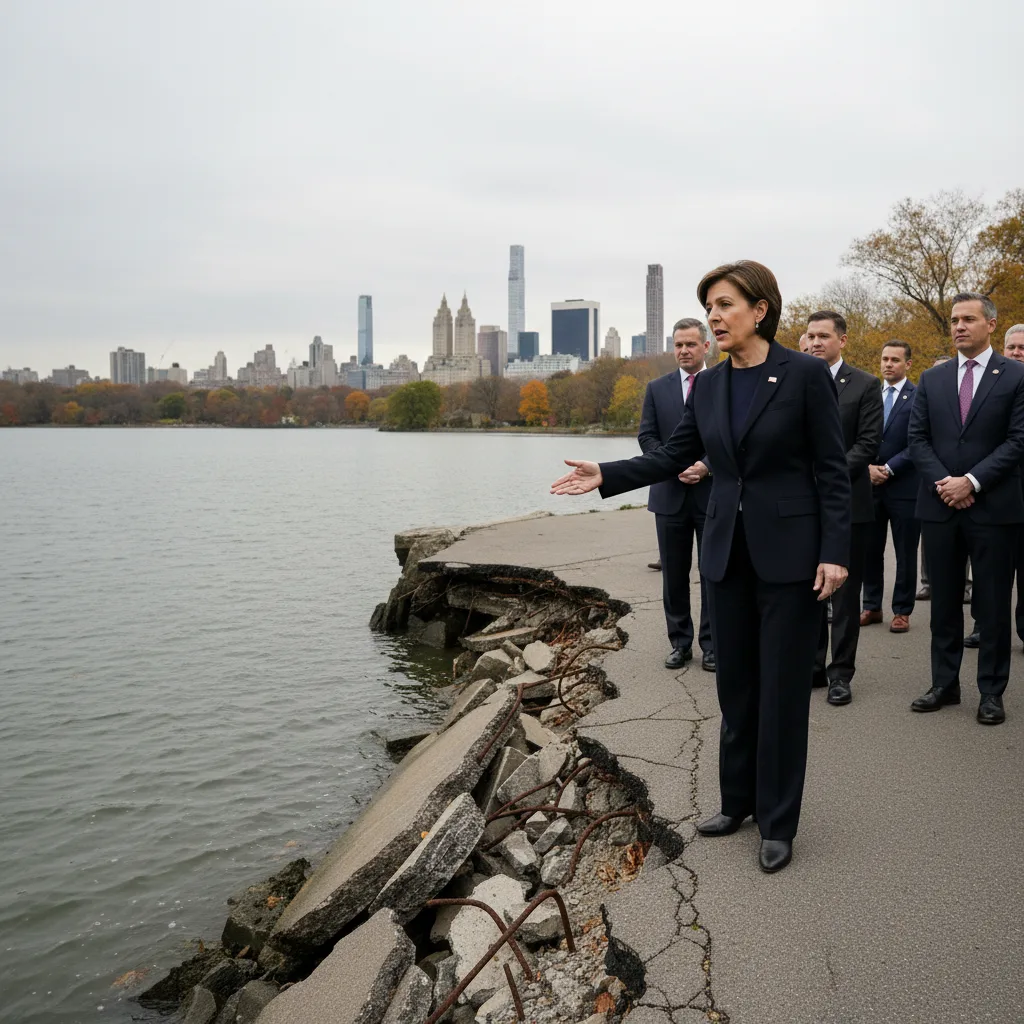
NEW YORK — Governor Kathy Hochul directed the New York State Department of Environmental Conservation to submit a request for federal assistance on Thursday, November 5, 2026. This action aims to repair coastal storm damage following recent severe weather impacting various parts of the state, including areas adjacent to Central Park.
Hochul Mobilizes State Resources for Damage Assessment
Governor Hochul’s directive came after preliminary assessments indicated significant damage to coastal infrastructure and natural habitats. The request seeks to unlock federal funding that will support recovery efforts, which are crucial for both immediate repairs and long-term resilience against future climate events. State agencies are coordinating to provide comprehensive data for the federal application.
The Governor's pressroom on NY.Gov confirmed the action, noting the urgency of securing federal aid to mitigate the financial burden on state and local governments. This proactive measure underscores a broader strategy to protect New York's coastlines and critical natural assets, including the city's park systems that can be indirectly affected by broader weather patterns.
The Central Park News Friday Briefing
Central Park news, events and park updates in your inbox every Friday. Free; unsubscribe in one click.
Sent every Friday. By subscribing, you agree to our Terms of Use and Privacy Policy.
Protecting NYC's Vulnerable Coastlines
The request for federal aid highlights the increasing vulnerability of New York City's coastal areas to severe weather events. While Central Park itself is inland, the city's broader infrastructure and environmental health are interconnected. Protecting shorelines helps prevent cascading effects like increased flooding and erosion in adjacent boroughs, which can strain city resources dedicated to maintenance, including those allocated for parks.
The New York State Department of Environmental Conservation (DEC) is compiling detailed reports of damage. These reports will form the basis of the federal request, documenting the extent of erosion, infrastructure compromise, and environmental impact observed across affected regions. Such comprehensive data is vital for a successful federal aid application.
Historical Context of Federal Disaster Assistance
New York State has a history of leveraging federal assistance programs following major weather events, such as Superstorm Sandy in 2012. These funds are critical for rebuilding infrastructure, supporting affected communities, and implementing protective measures against future disasters. Governor Hochul's swift action reflects lessons learned from past recovery operations.
Federal disaster aid typically covers a range of expenses, including emergency protective measures, debris removal, repair or replacement of damaged public facilities, and hazard mitigation projects. For New York, securing these funds is essential for ongoing efforts to adapt to a changing climate, a challenge that impacts all major urban centers.
Future Resilience and Urban Policy Initiatives
The long-term strategy involves not just repair but also enhancing the resilience of New York's infrastructure. This includes projects focused on green infrastructure, wetland restoration, and improved stormwater management systems across the city. Such initiatives aim to reduce flood risks and protect natural ecosystems, benefiting areas like Central Park by improving overall environmental health.
This incident also brings into focus broader urban policy discussions about sustainable development and climate adaptation. City planners and environmental experts continuously evaluate strategies to safeguard public spaces and infrastructure from increasing environmental threats. Decisions made at the state level directly influence the resources available for local initiatives, including those impacting Central Park's upkeep and development.
Frequently Asked Questions
What specific types of damage will federal aid cover for coastal storms?
Federal aid for coastal storm damage typically covers emergency protective measures, debris removal, repair or replacement of damaged public facilities like roads, bridges, and public buildings, and hazard mitigation projects designed to reduce future risks. It can also include assistance for individuals and businesses, depending on the disaster declaration's scope.
How long does it take for federal assistance to be approved and distributed?
The approval and distribution timeline for federal assistance can vary widely based on the scale of the disaster, the complexity of the damage assessment, and the federal appropriations process. While initial requests can be submitted quickly, the full allocation and disbursement of funds may take several months to years, with reimbursements often processed as projects progress.
The Central Park News Friday Briefing
Central Park news, events and park updates in your inbox every Friday. Free; unsubscribe in one click.
Sent every Friday. By subscribing, you agree to our Terms of Use and Privacy Policy.
Related Articles
More in Urban Policy & Development →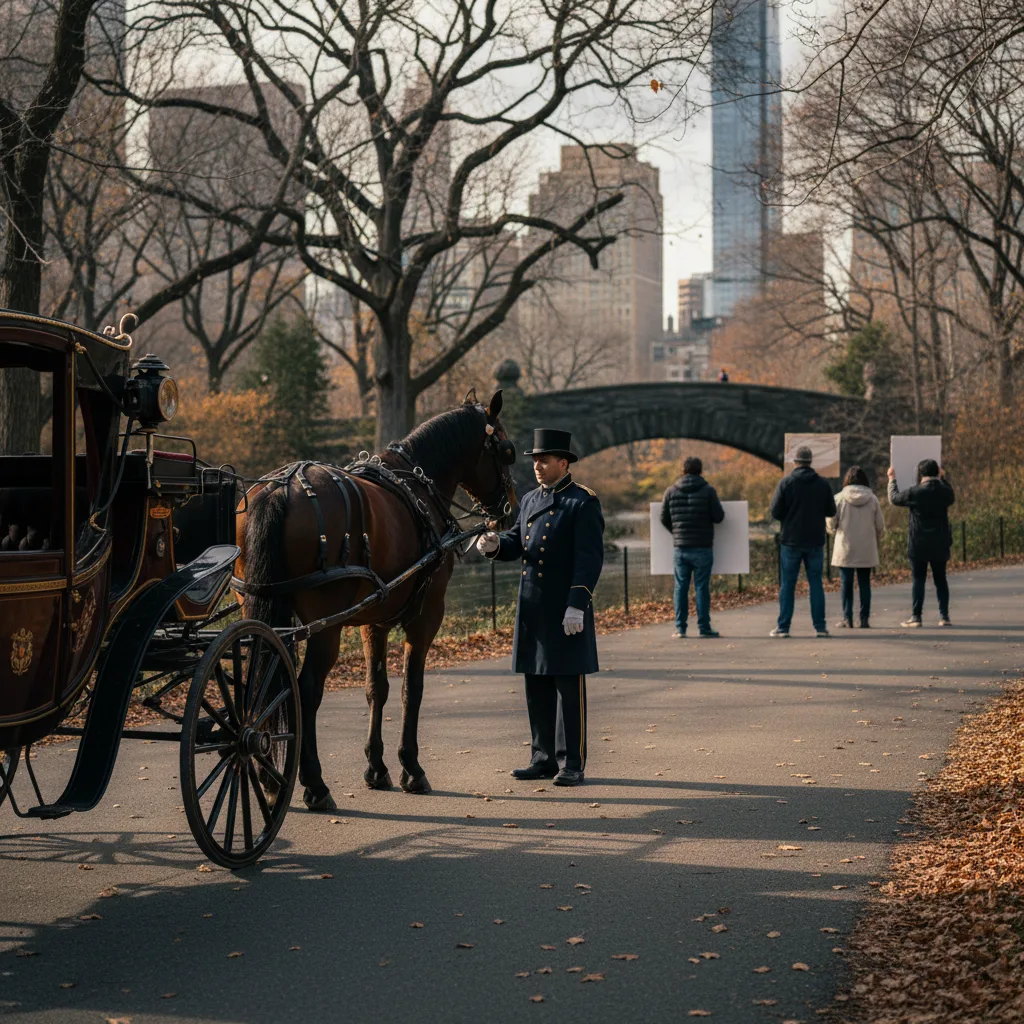
Mayor Mamdani Signs Horse Carriage Ban, Industry Sues City
Mayor Zohran Mamdani signed a bill into law Thursday that will phase out New York City's horse-drawn carriage industry, prompting an immediate lawsuit from carriage drivers.
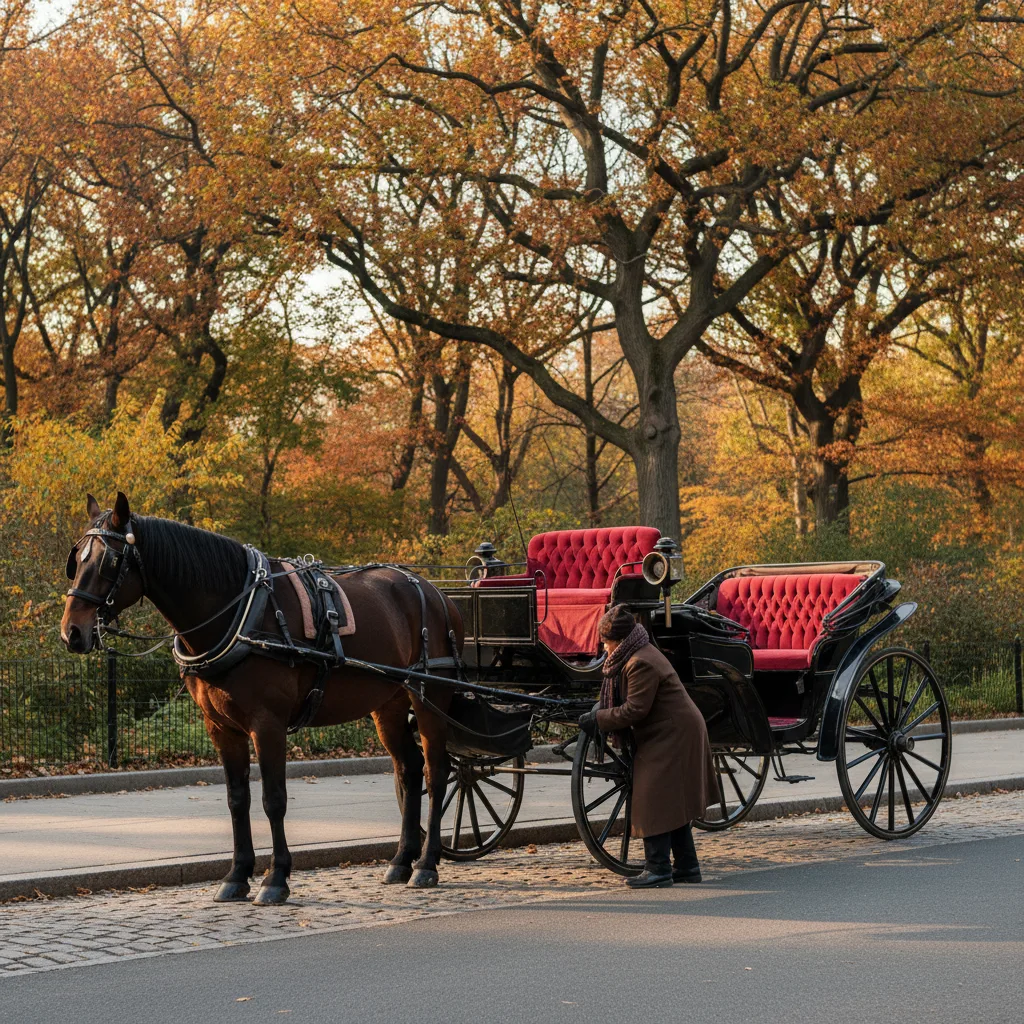
NYC Carriage Drivers Sue City Over Horse-Drawn Carriage Ban
Central Park's horse-drawn carriage drivers filed a lawsuit against New York City on Thursday, November 19, 2026, challenging a new law banning their operations.
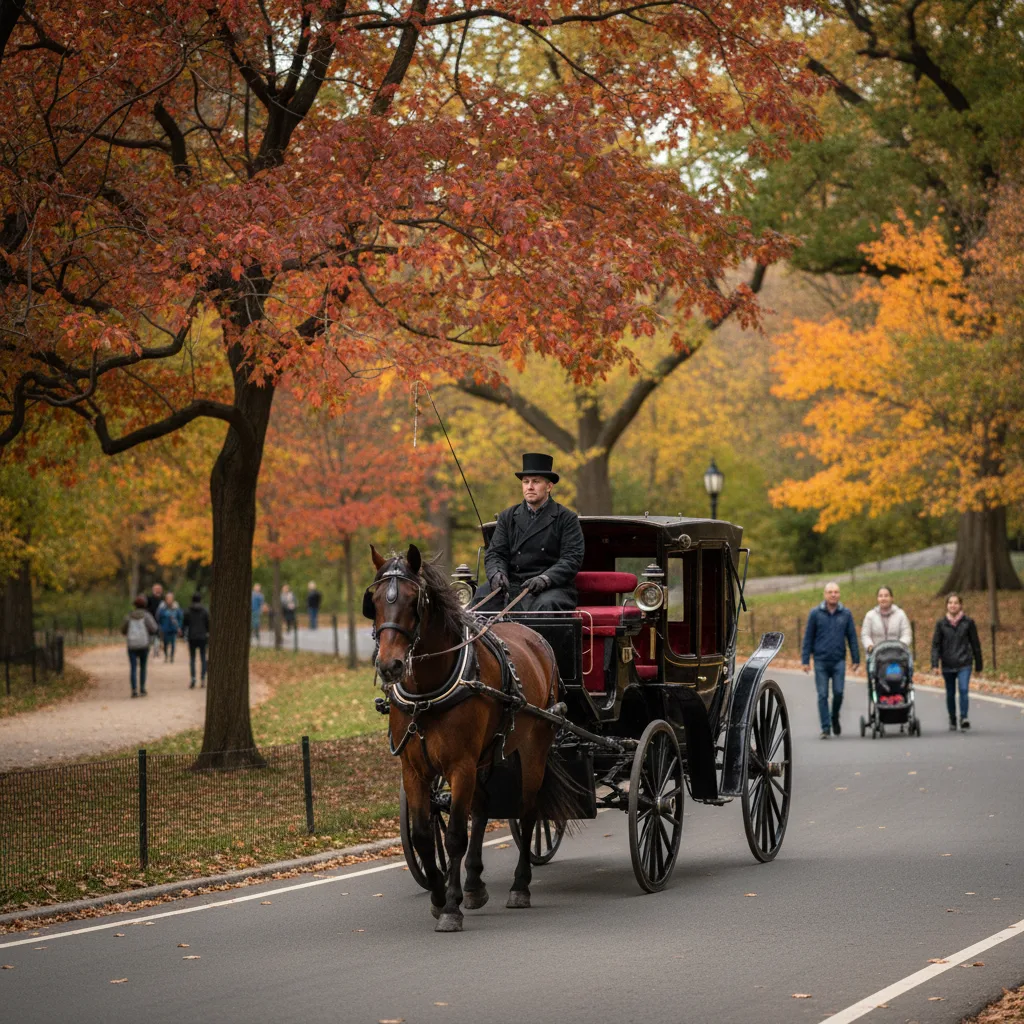
Mayor Mamdani Signs Law Phasing Out NYC Horse Carriages by 2028
Mayor Zohran Mamdani signed legislation on November 20, 2026, to phase out New York City's horse-drawn carriage industry by June 1, 2028.
Central Park Carriage Drivers Sue NYC Over Mamdani Ban
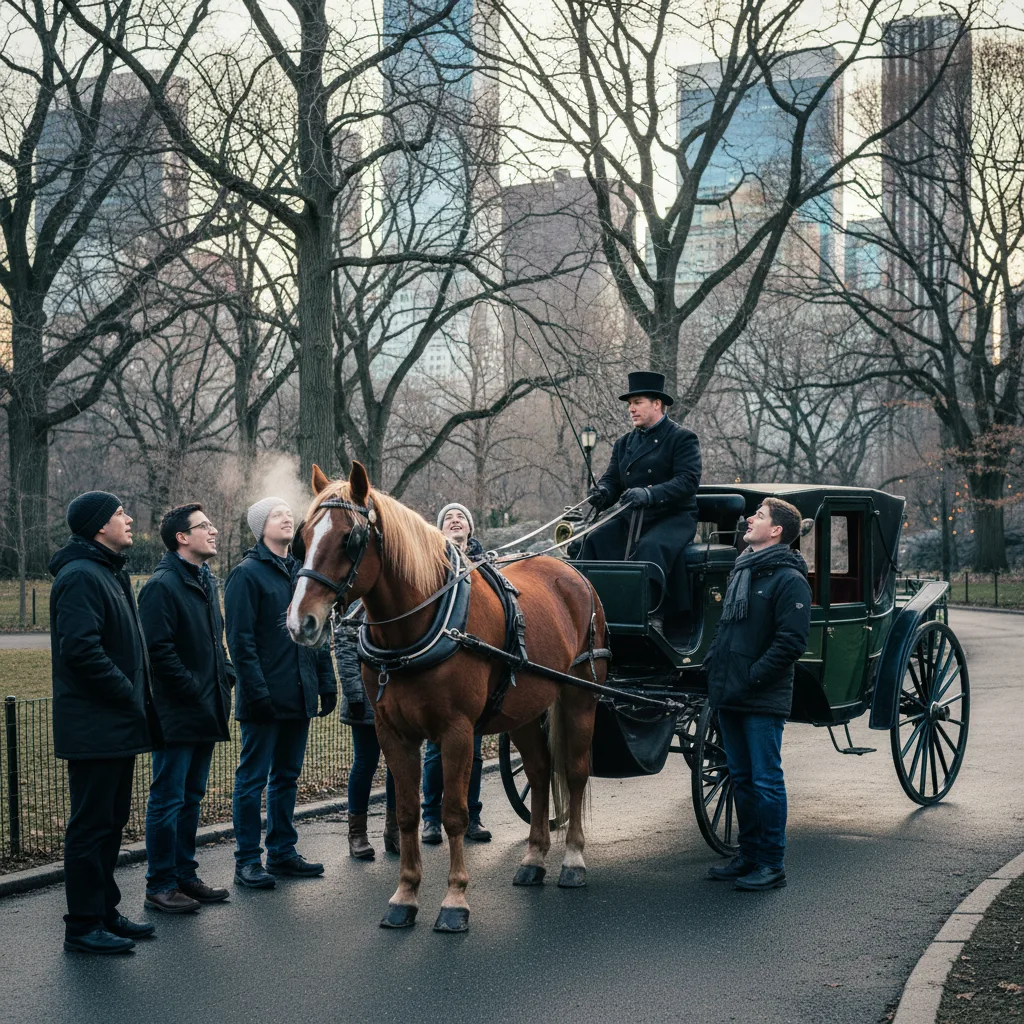
Central Park horse-drawn carriage drivers filed a federal lawsuit against New York City on November 20, 2026, challenging Mayor Zohran Mamdani's ban.
Mayor Mamdani Bans Central Park Horse Carriages, Effective 2028
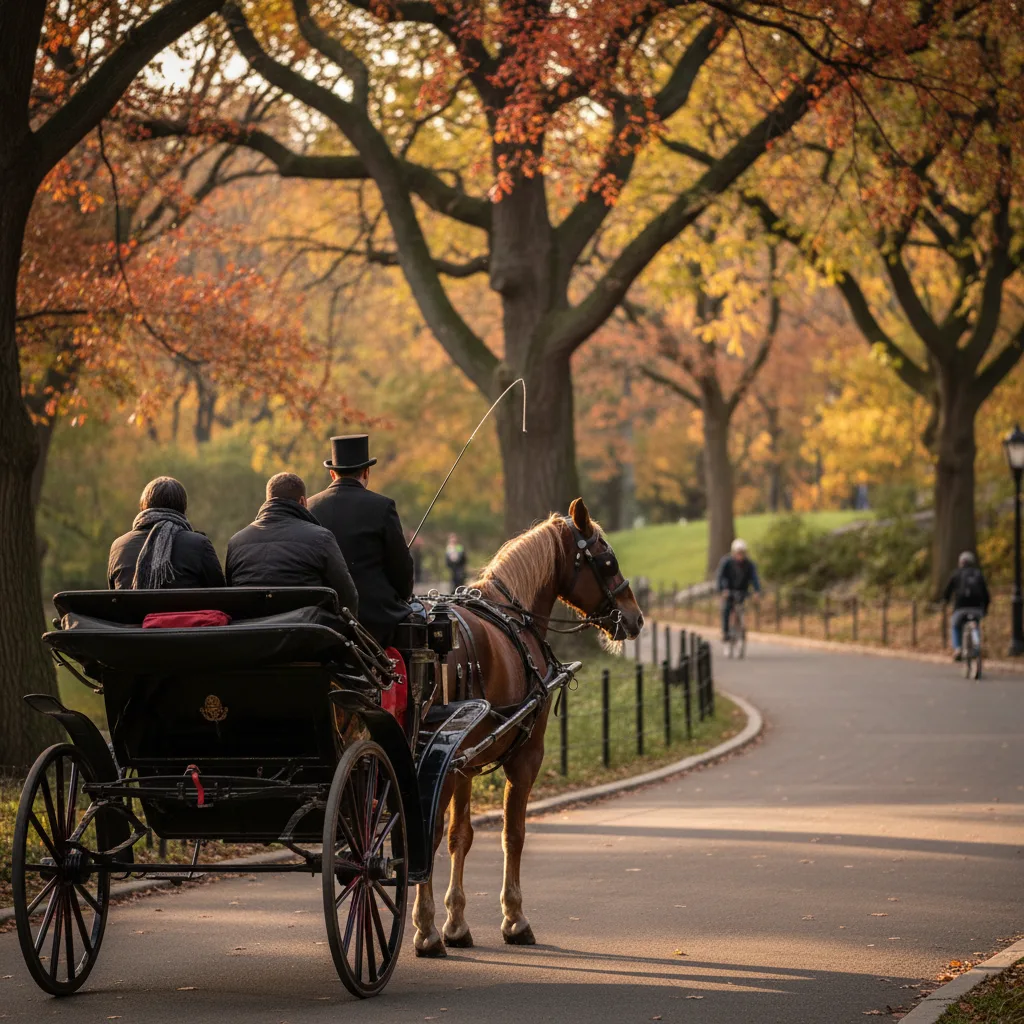
Mayor Zohran Mamdani signed legislation on November 19, 2026, officially banning horse-drawn carriages in Central Park, with the ban taking effect on June 1, 2028.

Mayor Mamdani Explores Electric Vehicles for Central Park Tourism
Mayor Zohran Mamdani is considering electric tourism vehicles for Central Park following the city's approval to end horse-carriage rides.