


Harlem Residents to See Flood Risk Eased by Central Park Project

Enjoying the coverage?
Central Park news, events and park updates in your inbox every Friday. Free; unsubscribe in one click.
Sent every Friday. By subscribing, you agree to our Terms of Use and Privacy Policy.
NEW YORK — Harlem and East Harlem residents are set to experience significantly reduced flood risks starting November 8, 2026, as a new $35.7 million stormwater management system within Central Park aims to divert 132 million gallons of water from city sewers annually. This substantial infrastructure project is designed to protect vulnerable neighborhoods from the increasing frequency of severe weather events.
Central Park Project Targets Harlem Flood Zones
Officials confirmed that the new system, located within Central Park, will play a crucial role in mitigating urban flooding that has historically plagued parts of Harlem and East Harlem. The initiative is a collaborative effort involving state and city agencies, reflecting a growing focus on climate resilience in New York City. Ground.news reported on the project's groundbreaking, detailing its capacity to prevent significant volumes of stormwater from overwhelming the city's aging sewer infrastructure.
The project involves the construction of new underground storage and conveyance systems designed to capture and slowly release stormwater, preventing surges into residential areas. This proactive approach aims to reduce property damage and public health risks associated with chronic flooding. The $35.7 million investment underscores the city's commitment to protecting its most at-risk communities, particularly those in low-lying areas adjacent to Central Park.
The Central Park News Friday Briefing
Central Park news, events and park updates in your inbox every Friday. Free; unsubscribe in one click.
Sent every Friday. By subscribing, you agree to our Terms of Use and Privacy Policy.
132 Million Gallons Diverted Annually, $175 Million Saved
The new stormwater system is projected to divert an impressive 132 million gallons of water from the city’s sewer system each year. This diversion is expected to result in an estimated $175 million in savings related to flood damage and emergency response costs over the project's lifespan. These figures highlight the economic as well as environmental benefits of investing in robust green infrastructure.
The long-term financial savings will free up resources that can be redirected to other critical city services, improving overall urban infrastructure. The system's design incorporates sustainable principles, leveraging natural filtration and absorption where possible to enhance water quality before its eventual release. Such projects are becoming increasingly vital as New York City faces more intense rainfall due to climate change, necessitating comprehensive solutions to protect its urban core.
Addressing Long-Standing Community Concerns
The Central Park project directly addresses long-standing concerns from Harlem and East Harlem community groups regarding persistent flooding during heavy rainfalls. Residents have often faced basement inundations, street closures, and disruption to daily life. This investment aims to provide tangible relief and a greater sense of security for these neighborhoods.
Community leaders have advocated for such solutions for years, emphasizing the disproportionate impact of climate change on lower-income areas. The project's completion signifies a major step toward environmental justice and equitable infrastructure development within New York City. Engagement with local stakeholders was a key part of the planning process, ensuring the system meets the specific needs of the affected communities.
Broader Implications for NYC Climate Resilience
The Central Park stormwater management project is part of a broader citywide strategy to enhance climate resilience and adapt to the impacts of global warming. Similar initiatives are being explored and implemented across various boroughs to protect infrastructure and residents from extreme weather. The success of this project could serve as a model for future urban flood mitigation efforts.
New York City's comprehensive climate action plan includes strategies ranging from sea-level rise protection to green infrastructure development and community preparedness programs. These efforts are crucial for safeguarding the city's future against the escalating threats of climate change. The initiative also complements other urban policy developments, such as NYC subway service improvements, which aim to create a more resilient metropolitan area.
Project Integration with Park Ecosystem
The new system has been designed to integrate seamlessly with Central Park's existing landscape, minimizing visual and ecological disruption. Engineers and park officials collaborated to ensure the project preserves the park's natural beauty and recreational functions while providing essential flood protection. The construction process includes measures to protect existing trees and flora.
Park users can expect minimal long-term impact on their experience, as much of the infrastructure is underground. The project demonstrates how essential urban infrastructure can be developed in harmony with iconic green spaces. This thoughtful integration is a hallmark of sustainable urban planning, balancing critical needs with environmental preservation.
Frequently Asked Questions
How will the new Central Park stormwater system benefit Harlem?
The new Central Park stormwater system will significantly benefit Harlem and East Harlem by diverting 132 million gallons of water annually from city sewers, directly reducing the risk of urban flooding in these vulnerable neighborhoods. This will protect homes, businesses, and public health from water damage and disruption.
What is the projected cost savings from this flood-fighting project?
Officials project that the new stormwater system will save an estimated $175 million in flood damage and emergency response costs over its operational lifespan. This financial benefit is a key justification for the $35.7 million investment, highlighting the long-term economic advantages of robust climate resilience infrastructure.
How can residents stay informed about flood preparedness in NYC?
Residents can stay informed about flood preparedness and other emergency alerts by signing up for Notify NYC, visiting the NYC Emergency Management website, and following local news channels. These resources provide real-time updates, safety tips, and information on city services available during severe weather events.
The Central Park News Friday Briefing
Central Park news, events and park updates in your inbox every Friday. Free; unsubscribe in one click.
Sent every Friday. By subscribing, you agree to our Terms of Use and Privacy Policy.
Related Articles
More in Urban Policy & Development →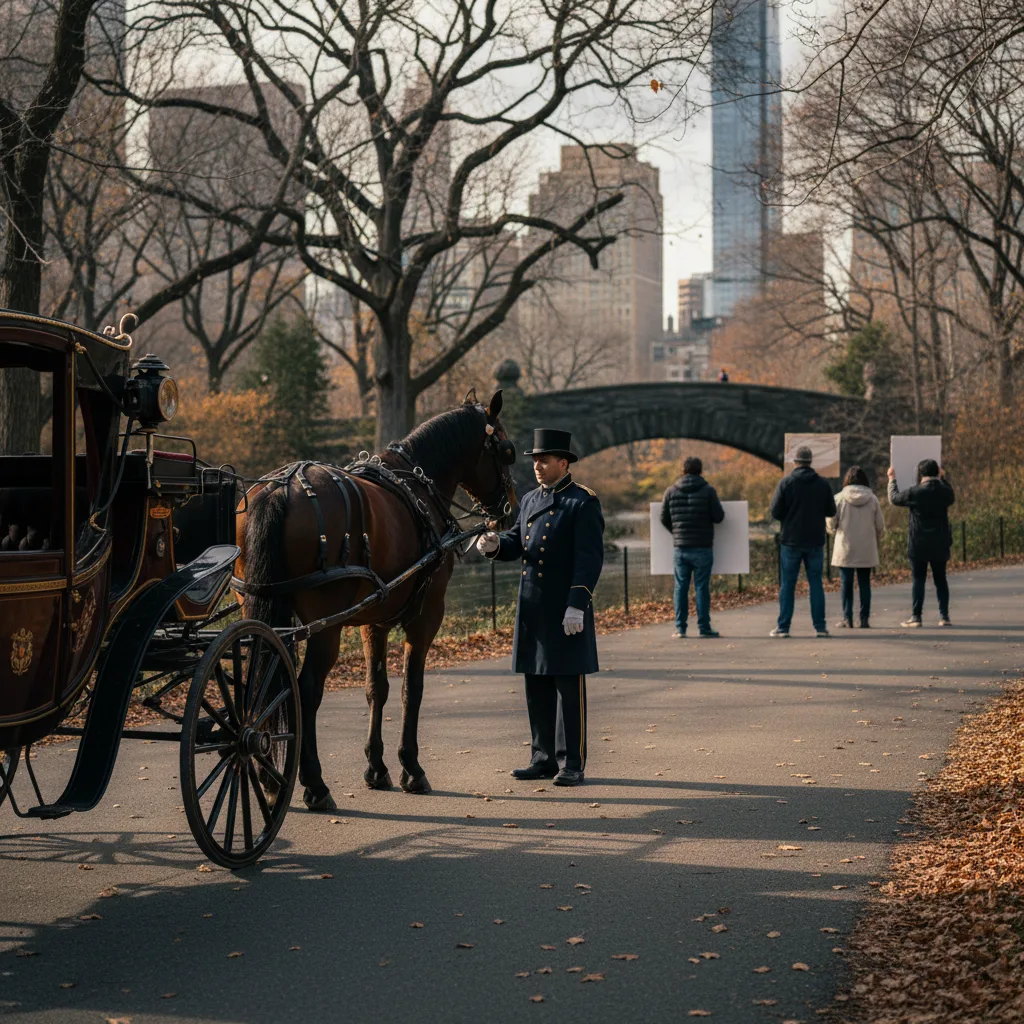
Mayor Mamdani Signs Horse Carriage Ban, Industry Sues City
Mayor Zohran Mamdani signed a bill into law Thursday that will phase out New York City's horse-drawn carriage industry, prompting an immediate lawsuit from carriage drivers.
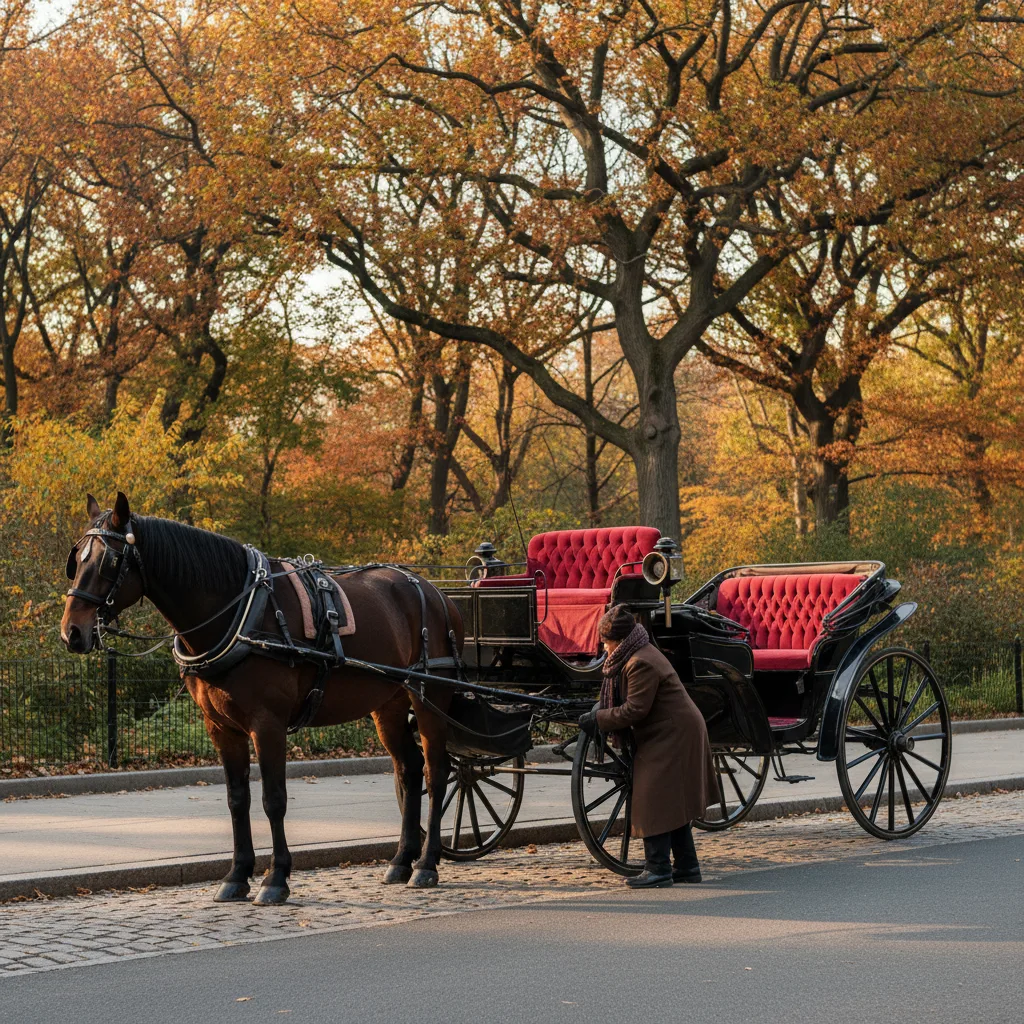
NYC Carriage Drivers Sue City Over Horse-Drawn Carriage Ban
Central Park's horse-drawn carriage drivers filed a lawsuit against New York City on Thursday, November 19, 2026, challenging a new law banning their operations.
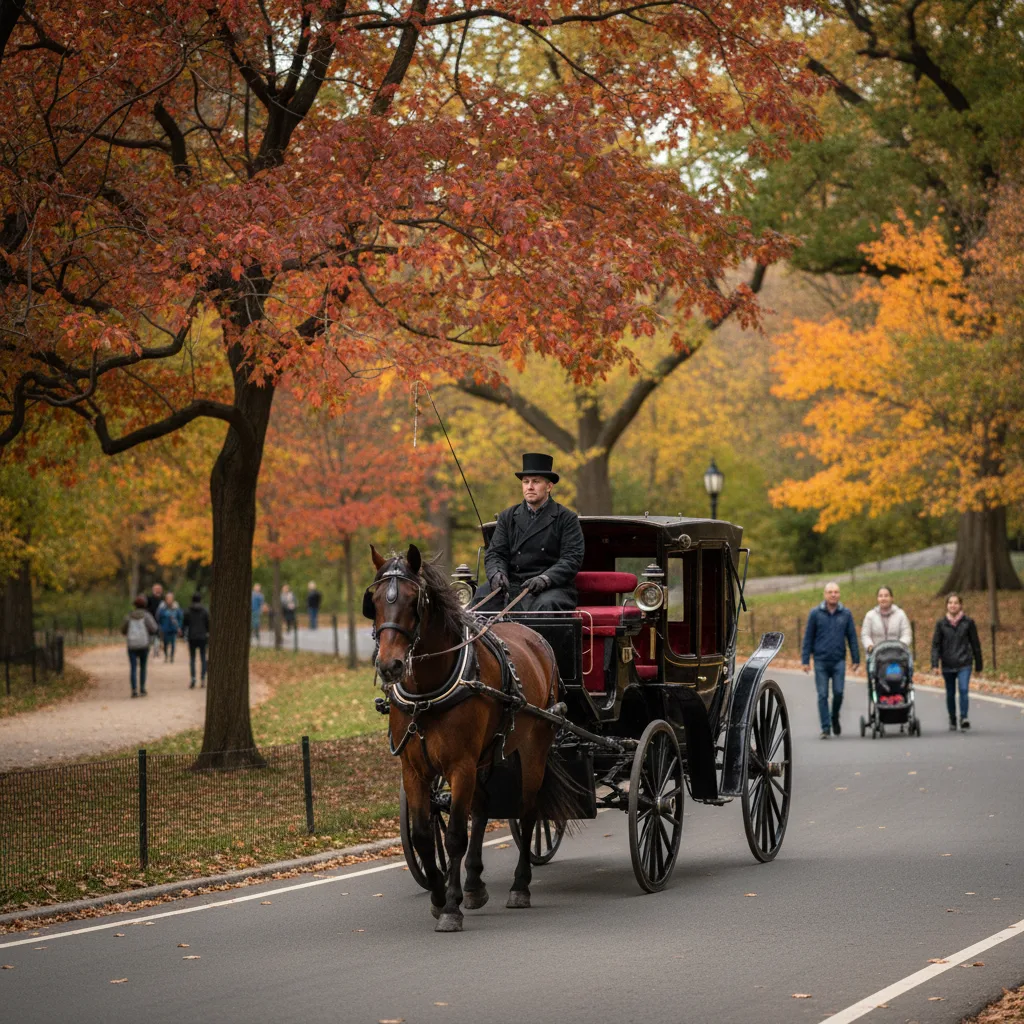
Mayor Mamdani Signs Law Phasing Out NYC Horse Carriages by 2028
Mayor Zohran Mamdani signed legislation on November 20, 2026, to phase out New York City's horse-drawn carriage industry by June 1, 2028.
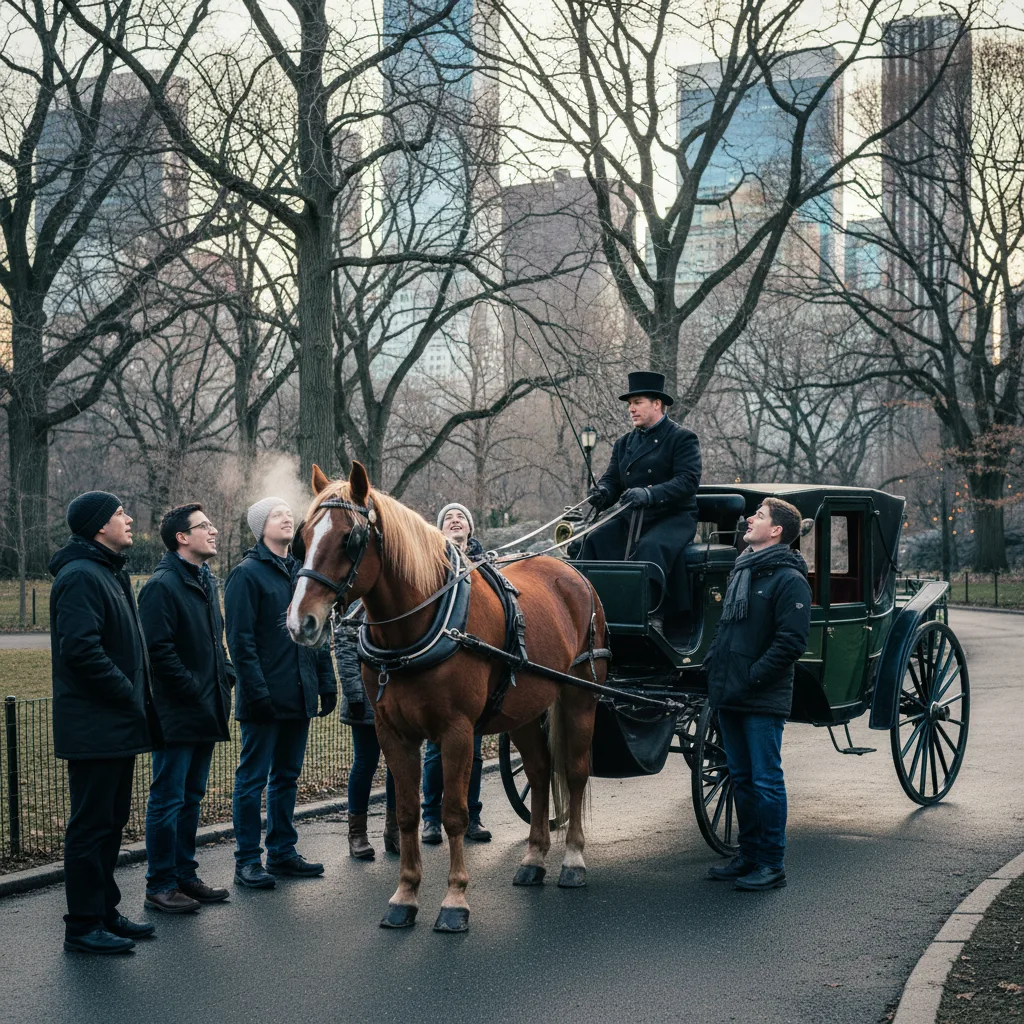
Central Park Carriage Drivers Sue NYC Over Mamdani Ban
Central Park horse-drawn carriage drivers filed a federal lawsuit against New York City on November 20, 2026, challenging Mayor Zohran Mamdani's ban.
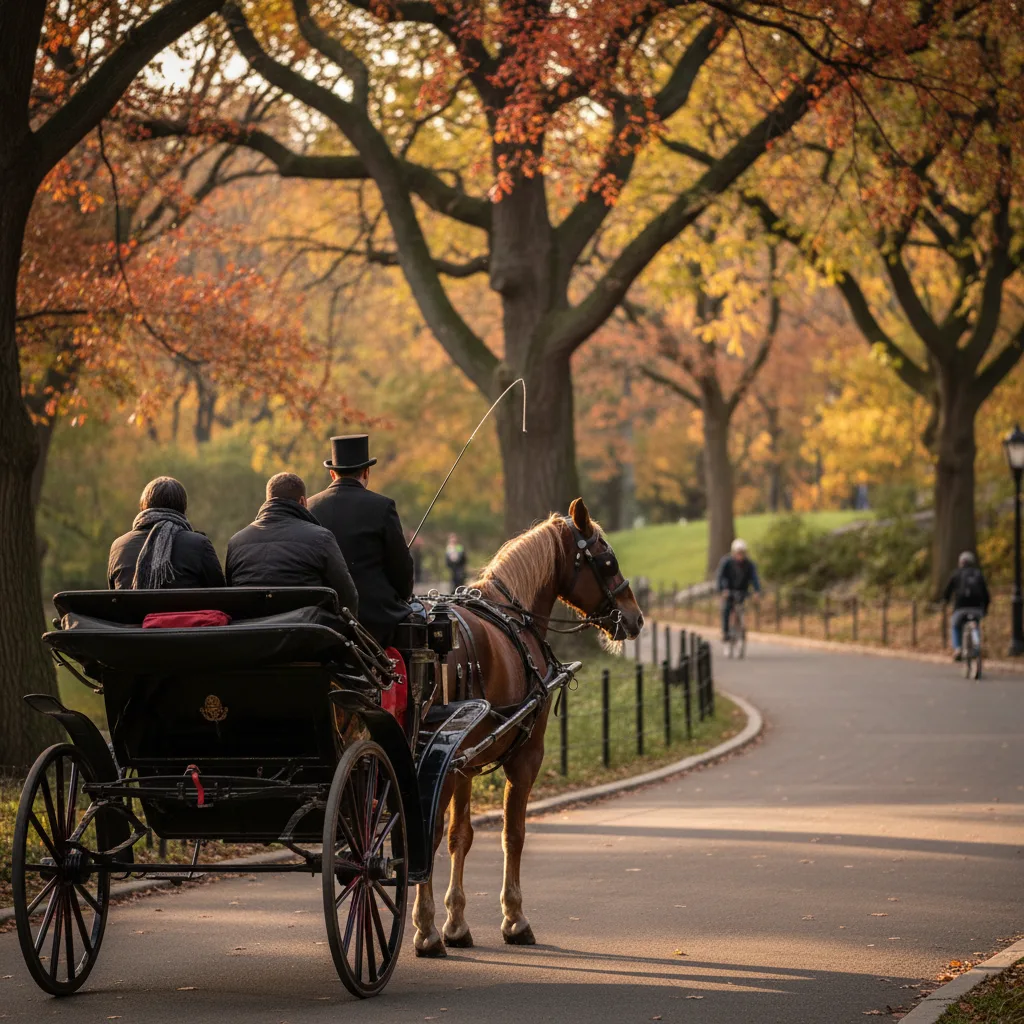
Mayor Mamdani Bans Central Park Horse Carriages, Effective 2028
Mayor Zohran Mamdani signed legislation on November 19, 2026, officially banning horse-drawn carriages in Central Park, with the ban taking effect on June 1, 2028.

Mayor Mamdani Explores Electric Vehicles for Central Park Tourism
Mayor Zohran Mamdani is considering electric tourism vehicles for Central Park following the city's approval to end horse-carriage rides.