


NYC "No Kings" Protests: Third Citywide Event in 2026

Enjoying the coverage?
Central Park news, events and park updates in your inbox every Friday. Free; unsubscribe in one click.
Sent every Friday. By subscribing, you agree to our Terms of Use and Privacy Policy.
NEW YORK — The "No Kings" movement marked its third major demonstration in New York City on Saturday, March 28, 2026, as part of a nationwide series of peaceful protests. Over two dozen separate gatherings were scheduled across the five boroughs, drawing significant attention and participation.
This widespread coordination underscores the growing momentum of the "No Kings" message, advocating for increased equity and social justice. Organizers worked diligently to ensure the various events remained peaceful and impactful, utilizing established public spaces including several points near Central Park.
Coordinated Demonstrations Across the City
The Saturday protests were part of a larger national initiative, with more than 3,000 "No Kings" demonstrations planned across the United States, as reported by New York Theater. In New York City alone, specific events were held at diverse locations from Brooklyn's Prospect Park to Manhattan's Foley Square.
The Central Park News Friday Briefing
Central Park news, events and park updates in your inbox every Friday. Free; unsubscribe in one click.
Sent every Friday. By subscribing, you agree to our Terms of Use and Privacy Policy.
Several key meeting points for the Manhattan protests were situated within walking distance of Central Park, drawing participants through its surrounding neighborhoods. This decentralized approach allowed for broader community engagement while managing crowd sizes more effectively at individual sites.
Central Park Proximity and Local Engagement
While Central Park did not host a single, massive rally, its strategic location ensured that the fervor of the "No Kings" movement resonated throughout the park's vicinity. Many demonstrators passed by the park's entrances on their way to or from designated protest zones, often engaging with park visitors.
Local residents observed groups of protestors carrying signs and banners near Bethesda Terrace and along the East Drive, highlighting the diverse nature of their message. The presence created a noticeable buzz among dog walkers and joggers enjoying the spring morning within the park, according to local reports.
Ensuring Public Order and Safety
City authorities, including the NYPD, maintained a visible presence across all protest locations to facilitate safe passage for demonstrators and minimize disruption. The coordinated effort aimed to balance constitutional rights to assembly with the needs of urban traffic and daily life.
Despite the large number of simultaneous events, official reports confirmed that the day concluded without any significant unrest or widespread arrests. This orderly conduct was attributed to both careful planning by organizers and effective crowd management strategies by law enforcement, officials stated.
Echoes of Historical Activism in NYC
New York City has historically served as a critical stage for social and political movements, with Central Park often symbolizing a gathering point for collective expression. The "No Kings" protests, by utilizing diverse urban landscapes, continue this legacy of civic engagement.
Local historians note that distributed protests, like those seen today, reflect evolving strategies in public advocacy, allowing messages to permeate more neighborhoods. This approach contrasts with past movements that often concentrated large numbers in single iconic locations, according to academic analyses.
Future Outlook for the "No Kings" Movement
Organizers expressed satisfaction with the turnout and the peaceful execution of the widespread protests. They reaffirmed their commitment to the movement's objectives, which include addressing systemic inequalities and promoting greater societal transparency.
The "No Kings" campaign intends to build on the momentum generated by this third major event of 2026. Further community outreach and specific policy advocacy efforts are anticipated in the coming months, promising continued public engagement on these critical issues.
Frequently Asked Questions About "No Kings" Protests
How many "No Kings" protests occurred nationwide on March 28, 2026? More than 3,000 "No Kings" peaceful protests were scheduled across the United States on Saturday, March 28, 2026. This significant number indicates a broad national interest in the movement's message.
How many separate events took place in New York City? In New York City, over two dozen distinct "No Kings" peaceful protests were scheduled. These events spanned various boroughs and prominent public spaces, ensuring wide geographic coverage across the city.
What was Central Park's role in the protests? While Central Park was not the primary site for a single large rally, several protest routes and assembly points were located in its immediate vicinity. This meant demonstrators often passed through or gathered near the park's entrances, engaging with the public there.
Were these protests peaceful? Yes, reports from local authorities and news outlets, including New York Theater, confirmed that the "No Kings" protests on March 28, 2026, were largely peaceful, with no major incidents or widespread arrests reported despite the large number of participants.
What are the "No Kings" movement's main goals? The movement advocates for greater equity, social justice, and increased accountability from leadership. It seeks to empower individuals and challenge perceived systemic imbalances within society.
The Central Park News Friday Briefing
Central Park news, events and park updates in your inbox every Friday. Free; unsubscribe in one click.
Sent every Friday. By subscribing, you agree to our Terms of Use and Privacy Policy.
Related Articles
More in Urban Policy & Development →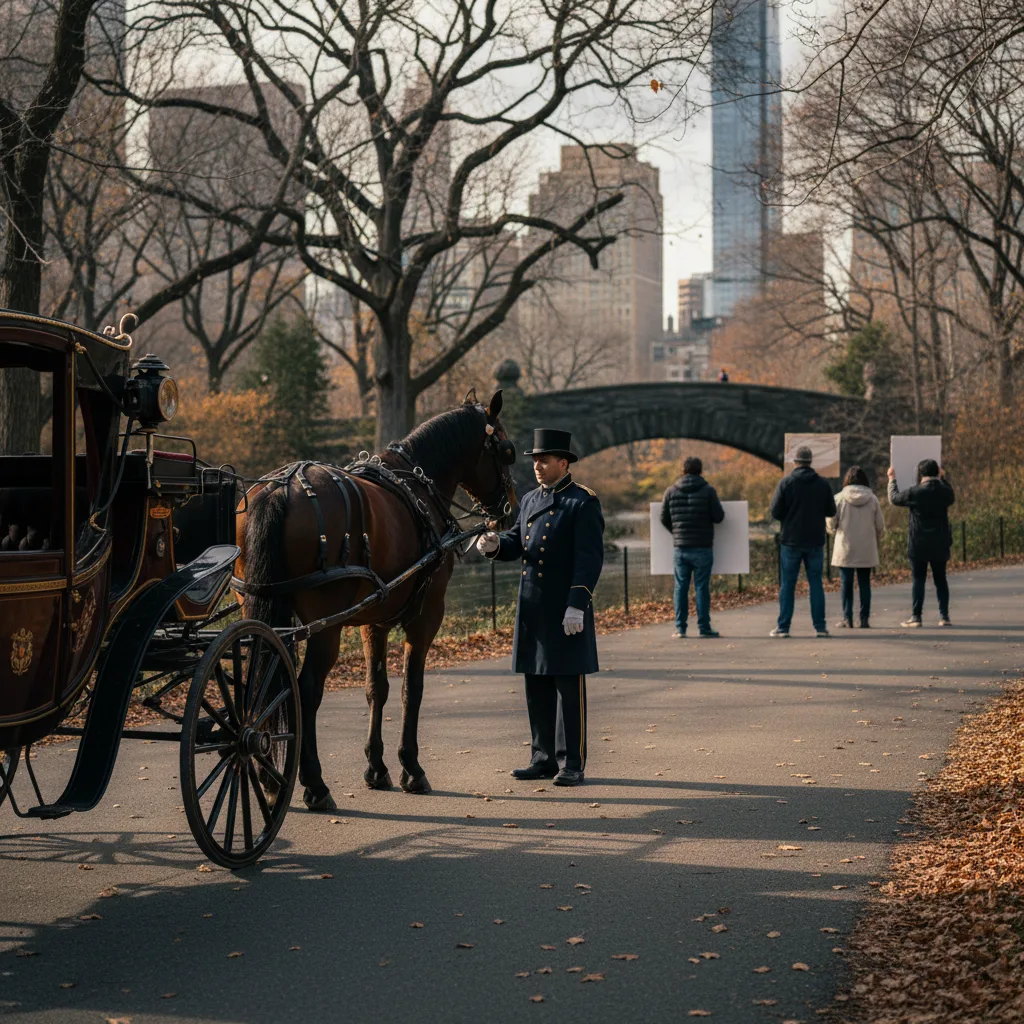
Mayor Mamdani Signs Horse Carriage Ban, Industry Sues City
Mayor Zohran Mamdani signed a bill into law Thursday that will phase out New York City's horse-drawn carriage industry, prompting an immediate lawsuit from carriage drivers.
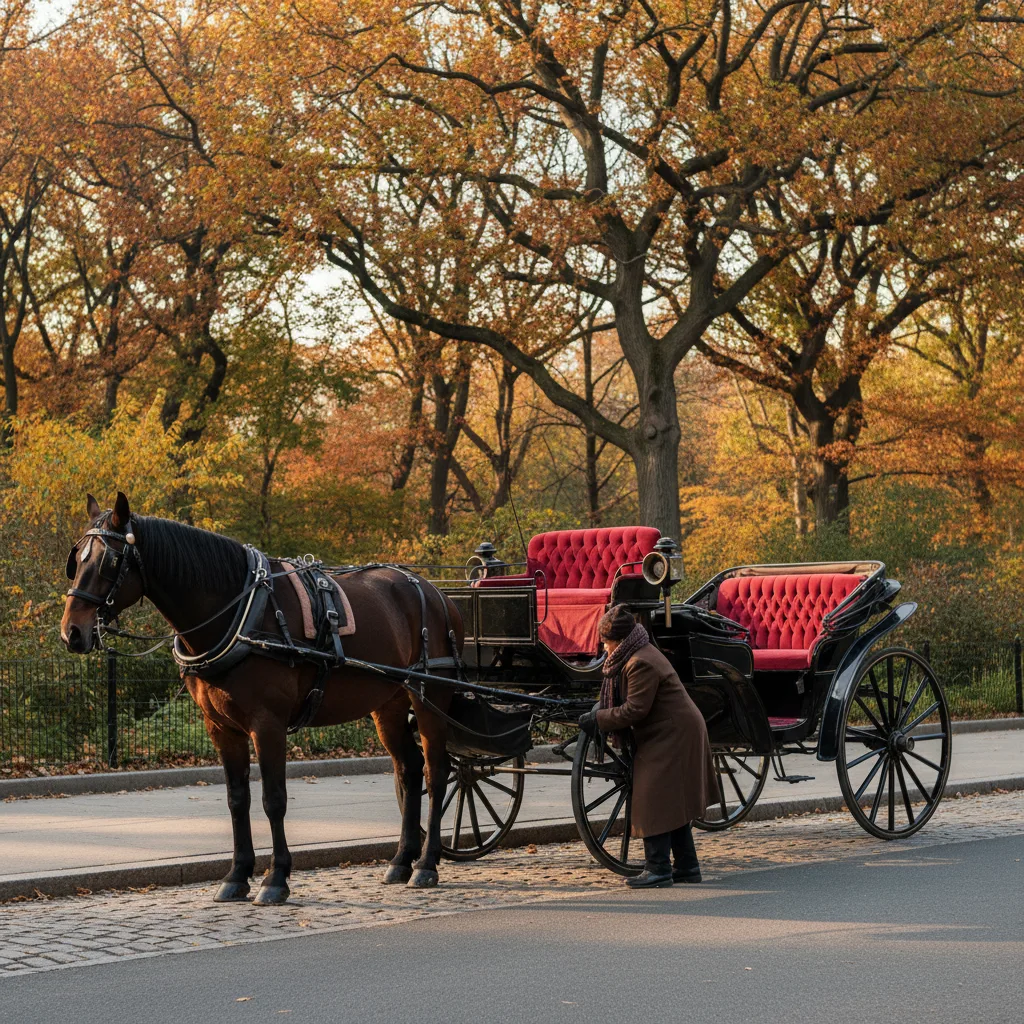
NYC Carriage Drivers Sue City Over Horse-Drawn Carriage Ban
Central Park's horse-drawn carriage drivers filed a lawsuit against New York City on Thursday, November 19, 2026, challenging a new law banning their operations.
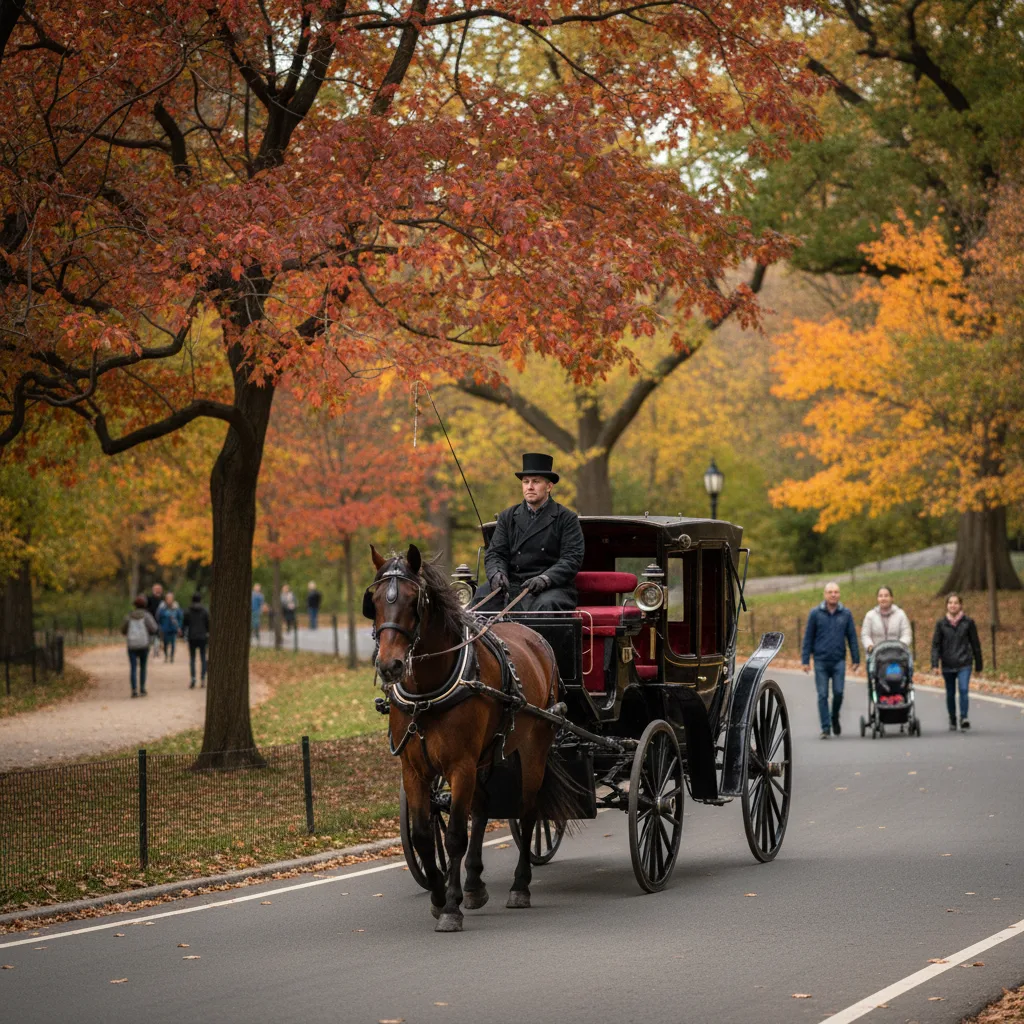
Mayor Mamdani Signs Law Phasing Out NYC Horse Carriages by 2028
Mayor Zohran Mamdani signed legislation on November 20, 2026, to phase out New York City's horse-drawn carriage industry by June 1, 2028.
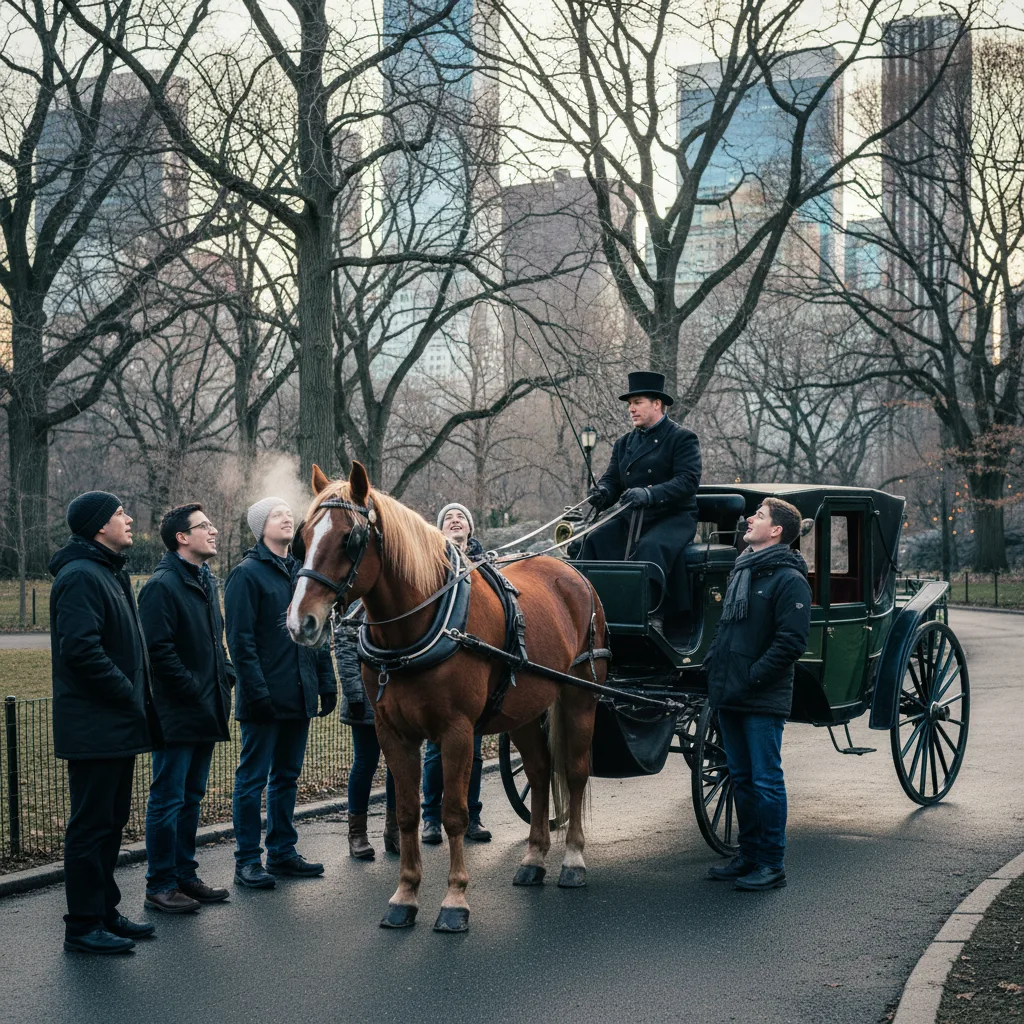
Central Park Carriage Drivers Sue NYC Over Mamdani Ban
Central Park horse-drawn carriage drivers filed a federal lawsuit against New York City on November 20, 2026, challenging Mayor Zohran Mamdani's ban.
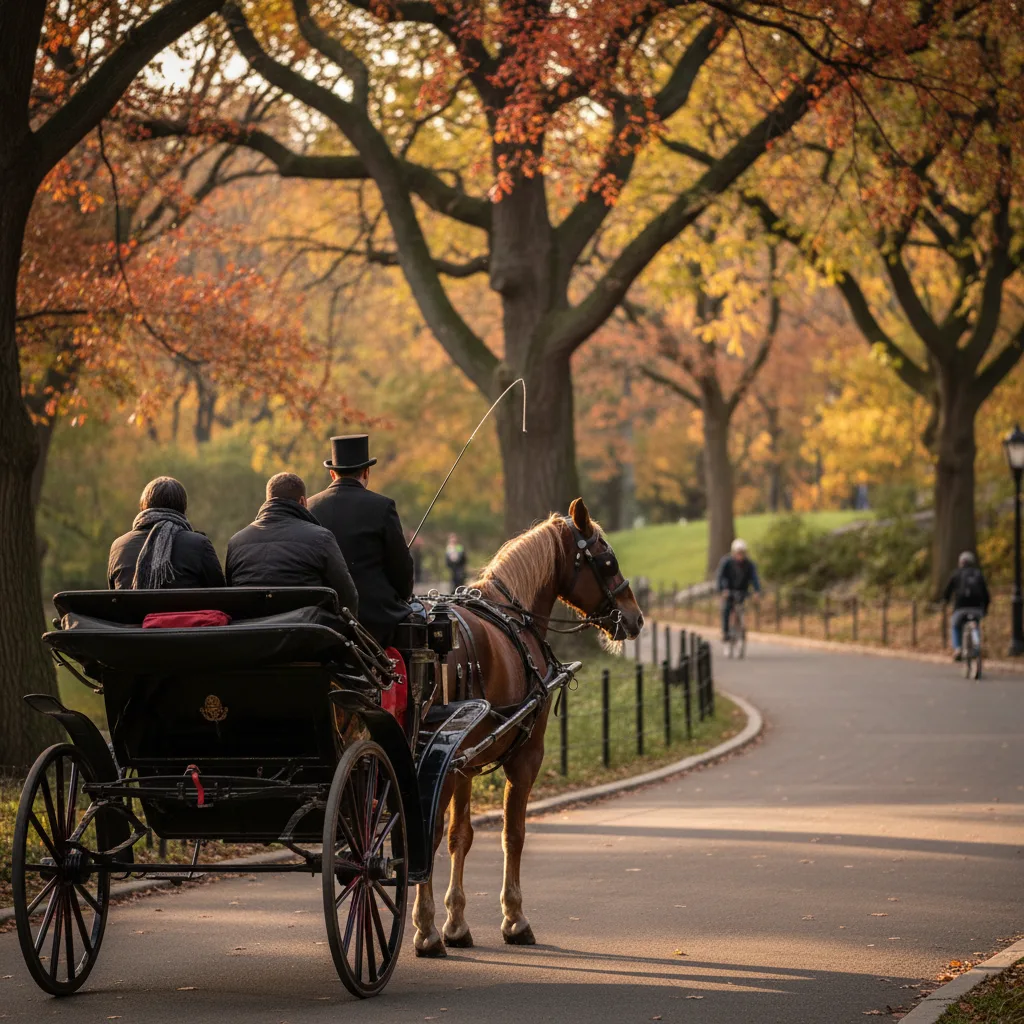
Mayor Mamdani Bans Central Park Horse Carriages, Effective 2028
Mayor Zohran Mamdani signed legislation on November 19, 2026, officially banning horse-drawn carriages in Central Park, with the ban taking effect on June 1, 2028.
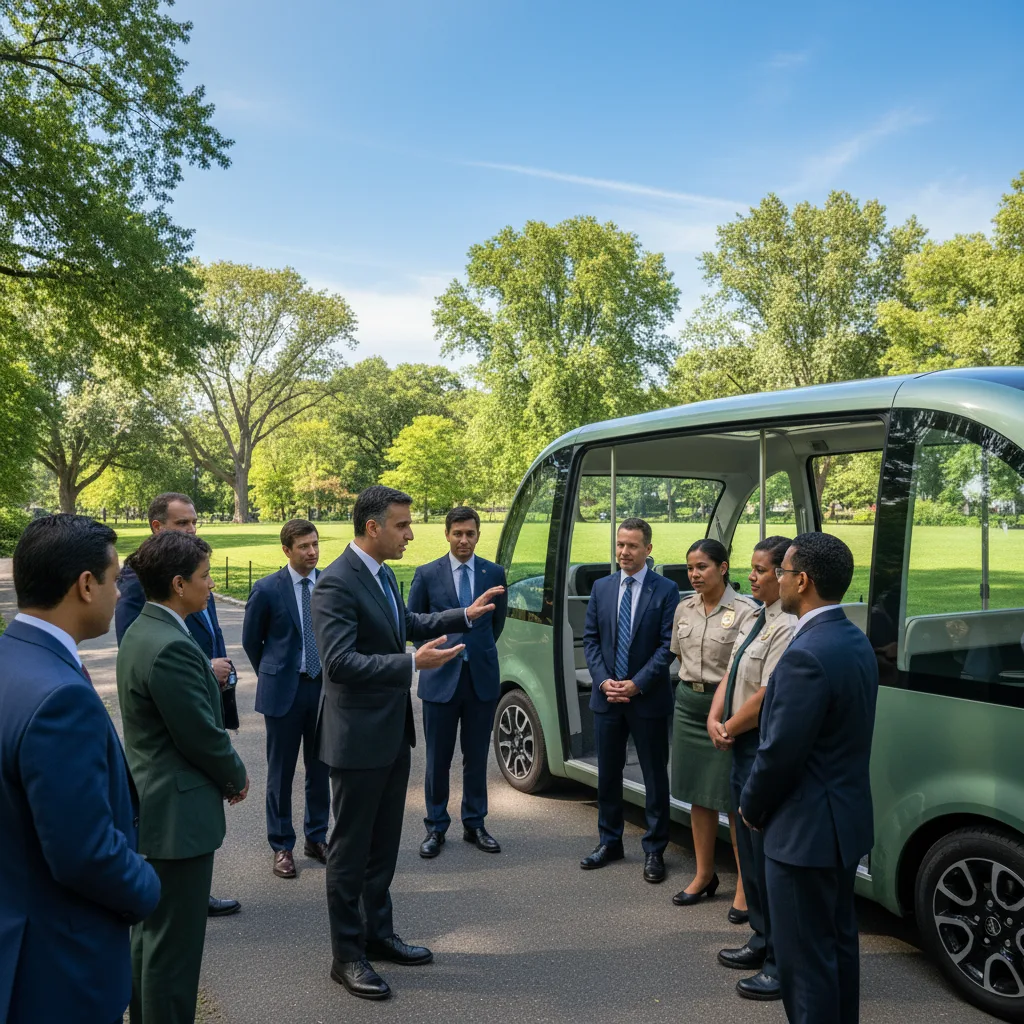
Mayor Mamdani Explores Electric Vehicles for Central Park Tourism
Mayor Zohran Mamdani is considering electric tourism vehicles for Central Park following the city's approval to end horse-carriage rides.